
Brief Summary
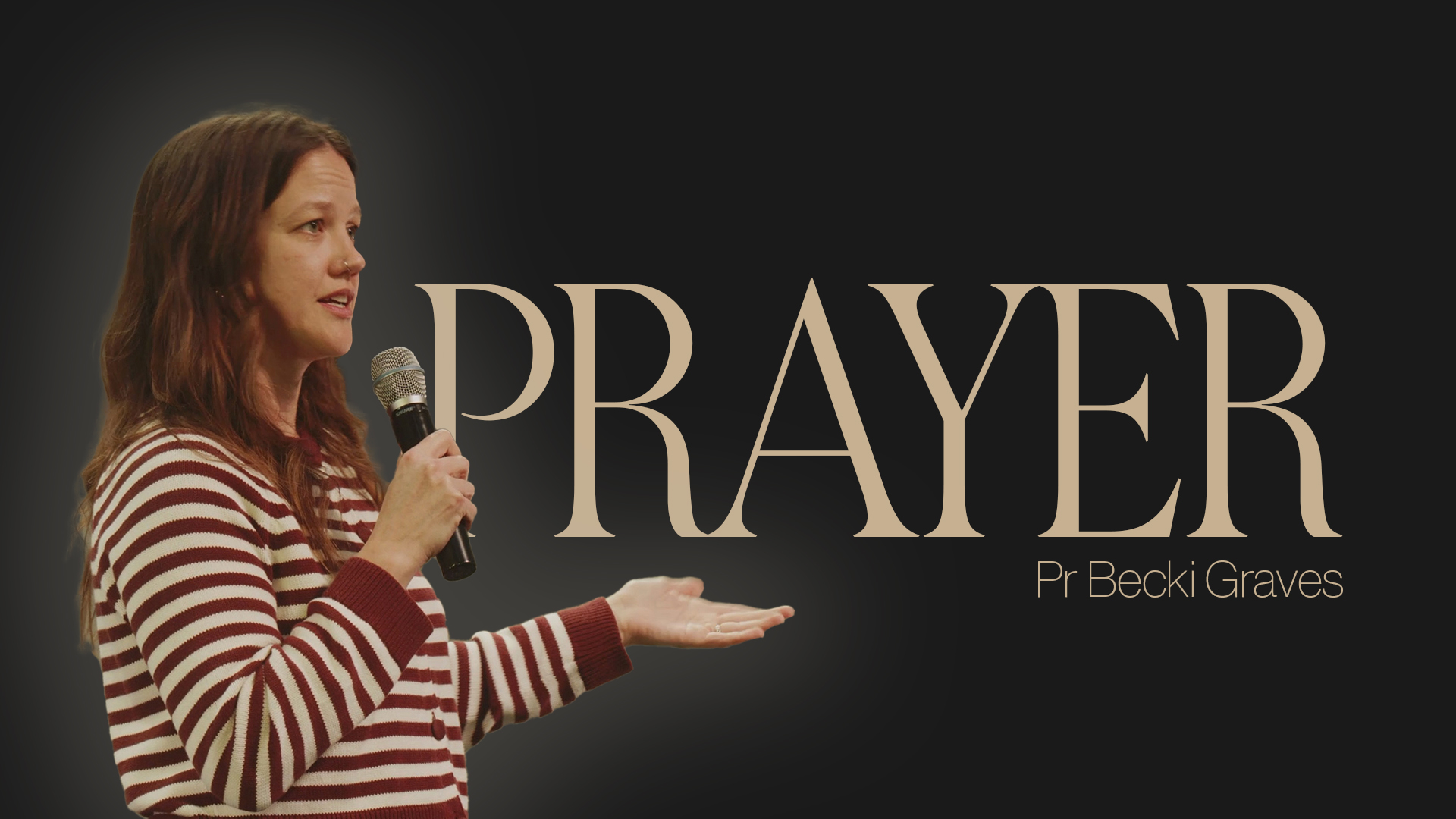
This message reframes prayer not as a rigid spiritual discipline but as a living rhythm that grows and shifts across seasons of life. Drawing from the stories of Jacob, Mary, and the garden of Eden, the sermon explores how prayer includes wrestling, questioning, surrendering, grieving, and simply being present with God. Rather than hiding in shame when old forms of prayer no longer work, believers are invited into deeper communion. Prayer becomes less about perfect words and more about honest presence.
Biblical Foundation
The message begins with Jacob wrestling with God before meeting Esau in Genesis 32:22–31 (NIV). In fear and shame, Jacob wrestles through the night and receives a new name—Israel. The struggle leaves him limping, yet marked by blessing and deeper dependence on God.
Mary models another form of prayer in Luke 1:26–38 (NIV). She questions the angel, surrenders in faith, and later responds in praise through the Magnificat (Luke 1:46–55, NIV). Her tears at the cross and quiet pondering in her heart reveal prayer beyond words.
The message also returns to the garden, where Adam and Eve hide after sin enters the world (Genesis 3:8–10, NIV). God’s question, “Where are you?” reveals His desire for relationship, not distance.
Finally, Paul reminds believers that anxiety finds relief in honest prayer: “Do not be anxious about anything, but in every situation, by prayer and petition, with thanksgiving, present your requests to God” (Philippians 4:6, NIV).
Main Insights
Prayer includes wrestling. Jacob’s story shows that struggle does not disqualify faith. Wrestling with God can deepen trust and form identity. The limp becomes a lifelong reminder of dependence.
Prayer includes questioning. Mary asks, “How can this be?” before surrendering. Honest confusion does not repel God. It often precedes deeper trust.
Prayer evolves. Early faith may feel effortless and structured. Over time, words can feel empty or insufficient. Rather than signaling failure, this shift may signal invitation—moving from communication about God to communion with God.
Shame fuels hiding. From Eden forward, humans instinctively hide their vulnerability. Yet God continues to ask, “Where are you?” Prayer moves people from hiding into honest presence.
Prayer becomes life itself. It can take the form of breath prayers, silence during a commute, humming while cooking dinner, tears, or a simple whisper: “Help me.” Every breath can become communion.
Practical Takeaways
Wrestling with God is a valid and biblical form of prayer
Allow spiritual practices to grow and shift with life seasons
Release shame when old rhythms no longer fit
Practice simple breath prayers in moments of overwhelm
Choose presence with God over perfection in prayer
Bottom Line
Prayer is not about performing the right words; it is about dwelling with God. When believers stop hiding and bring their full humanity—questions, fatigue, fear, and longing—they rediscover communion. Every season holds an invitation to deeper intimacy.
Next Steps
Ask honestly: Are you walking with God in the cool of the garden, or hiding? Identify your current season and allow your prayer life to meet you there. Start with one simple practice this week—a breath prayer, a moment of silence, or an honest conversation with God.


